Get Your Questions Answered
Here, we address the most popular questions asked, but we all have one of our own.
"I want to do Martial Arts, but I'm a bit nervous!"
We completely understand!
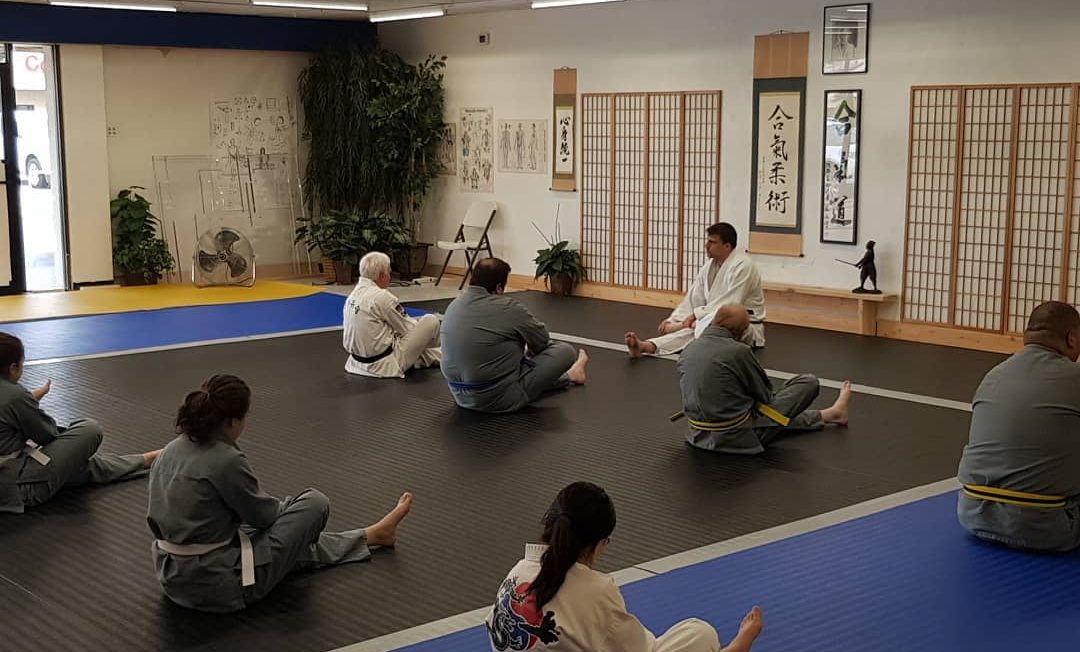
Taking that first step into a martial arts dojang can feel daunting, especially if you're feeling a bit nervous or unsure. But trust us, the hardest part is simply walking through the door! Every single experienced practitioner you see today was once exactly where you are now – a beginner. Hapkiyoosool is a journey that welcomes everyone, regardless of age, fitness level, or previous experience. You don't need to be strong or flexible to start; you just need to be willing to learn. Our community is supportive and encouraging, dedicated to helping each other grow. So, silence those nerves, embrace the unknown, and jump in! Your amazing Hapkiyoosool journey starts with that first class.
Don't Hesitate, Just Jump In!
What to Expect in Your First Hapkiyoosool Class:
Your first Hapkiyoosool class is designed to be welcoming and introductory, focusing on fundamental concepts and helping you feel comfortable in the environment. You won't be expected to perform complex techniques immediately. Here's a general idea of what you can expect:
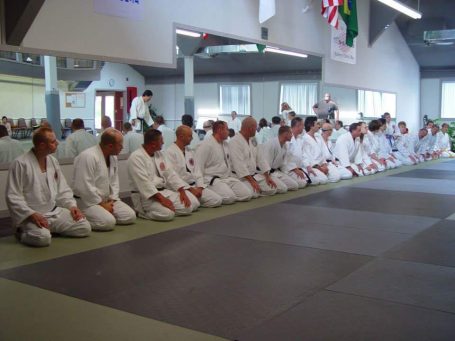
- Dojang Etiquette: You'll be introduced to the customs and etiquette of the dojang (training hall), such as bowing, showing respect, and the structure of a class.
- Warm-up: The class will typically begin with a good warm-up to prepare your body. This will include cardio, stretching, and calisthenics to get your muscles moving and prevent injury.
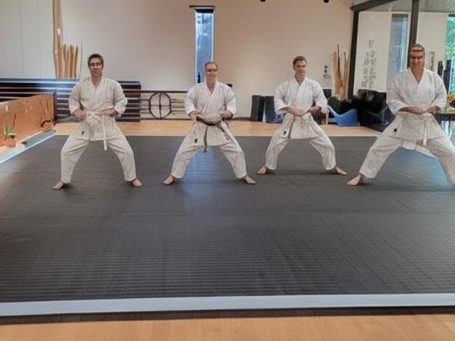
- Basic Movements & Stances: You'll be introduced to fundamental Hapkiyoosool stances and basic body movements. This helps you understand how to move efficiently and maintain balance. Your instructor will demonstrate clearly, and you'll practice slowly.
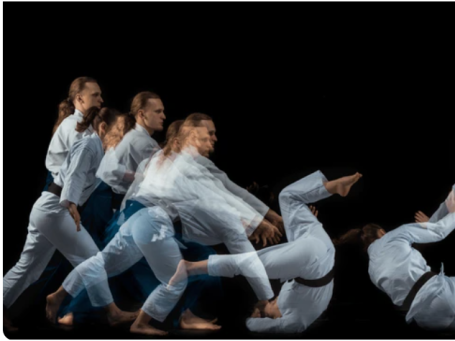
- Basic Falling Techniques: Hapkiyoosool emphasizes rolls and breakfalls to absorb impact from throws safely. Your first introduction to "nakbeop" will be elementary and safe, teaching you how to roll or fall without hurting yourself. This is crucial and taught with utmost care.
- Simple Technique Concepts: You will learn one or two fundamental principles, perhaps a simple wrist grab escape or a foundational joint lock, broken down into manageable, repeatable steps. The focus will be on understanding the principle, not on speed or power.
- Cool-down & Stretching: The class will conclude with a cool-down period, including additional stretching to enhance flexibility and support recovery.
Supportive Environment: Throughout the class, you'll find an atmosphere that is supportive and patient. Instructors and senior students are there to guide you, answer questions, and ensure you feel comfortable. No one will pressure you to do anything beyond your comfort level.
The goal of your first class is to give you a taste of Hapkiyoosool, introduce you to the training environment, and make you feel confident about continuing your journey. Please arrive a little early so we can properly fit your uniform. Don't hesitate to ask questions.
Still Have Questions?
Get the
FAQs
Am I too old, out of shape, or inexperienced to start learning?
Absolutely not. Traditional martial arts are often designed for lifelong practice and are highly adaptable to an individual's physical condition and age. we have students ranging from children to seniors. The emphasis is typically on technique, leverage, and body mechanics rather than brute strength or intense athleticism, allowing beginners of all fitness levels to progress safely and effectively. You'll gradually build strength, flexibility, and coordination as you train.
What equipment or uniform do I need to begin training?
Initially, very little is needed outside of a uniform. Beyond the uniform, essential equipment is generally minimal, though you will eventually be introduced to training weapons (e.g., wooden sword/staff).
Is sparring involved, and is the training safe?
Pressure Testing (free practice/contests) in Hapkiyoosool is an integral component as it allows practitioners to apply techniques in a dynamic, unscripted environment. It involves multiple attackers but often focuses on control rather than aggressive competition. We prioritize safety through controlled environments, clear rules, qualified instruction, and gradual progression from basic drills to more complex free-form practice. While minor injuries can occur in any physical activity, serious injuries are uncommon due to a strong emphasis on technique, breakfalls, and mutual respect among partners.
Is Hapkiyoosool effective for self-defense/street fights?
Yes, it is highly effective for self-defense, but its utility depends on dedicated training and a realistic understanding of its application. It emphasizes joint locks and dislocations, throws, and potent control techniques, inflicting severe injury. Hapkiyoosool's strong foundation in devastating joint manipulations, pressure point utilization, and throwing techniques enables control over an opponent. Effectiveness in a "street fight" context stems from consistent practice, the ability to apply techniques under pressure, and an understanding of situational awareness. No martial art is a magic bullet; effectiveness is a function of the practitioner's skill and adaptability.
How often should I train to see progress?
Consistent attendance is key to progress. For noticeable development in technique, physical conditioning, and understanding, training 2-3 times per week is generally recommended for beginners. More frequent training can accelerate progress, but consistency is more crucial than intensity. Even just one focused class per week, combined with dedicated personal practice of fundamental movements or sword forms, can yield significant results over time. Listen to your body and your instructor's guidance to find a sustainable training rhythm.
How long does it take to earn a black belt or achieve proficiency?
Earning a black belt in traditional Hapkiyoosool is a significant achievement that typically takes anywhere from 3 to 7+ years of consistent training, depending on the art, the school's curriculum, and the individual's dedication and aptitude. It's crucial to understand that a black belt is widely considered the beginning of serious study, not an endpoint or a sign of "mastery." Proficiency in martial arts is a lifelong journey of continuous learning, refinement, and practical application. The time to reach this initial milestone signifies a foundational understanding and the readiness to delve deeper into the art's principles.