Meet Your Teacher

On The Journey
How it all started
Light the fire
Living and Training in Korea
Master Jeff Allen began his dedicated martial arts journey in 1976, immersing himself in the rigorous discipline of Hapkiyoosool.
When Master Allen and his family moved to a new town, he met a boy in his class who was Korean. The boys instantly became the best of friends.
One day, on the way home from school, he and his friend were accosted by the school bully and his buddies. Jung made short work of the bully, and the other boys all ran away. Master Allen was astounded at what he saw and knew what he wanted to do for the rest of his life!
Master Allen asked Jung where he had learned that, and Jung said it was from his father. Master Allen knew this friendship was providence. They ran home and told Jung's father about the encounter. Jung asked his father, Master Chang, to also teach his best friend. His father agreed, and the boys trained with Master Chang every day after school until they graduated from high school and went off to college.
Master Allen planned to live in South Korea to train more and earn his Master Certification from the Korean government in Hapkiyoosool through his organization. There was only one decision: to join the military and get stationed there. He went to the recruiter and joined in 1989.
The military learned that he could read, write, and speak Korean, offering him a job in military intelligence, stationing him in South Korea. His dream would come true! His dedication paid off, and he landed in South Korea in 1990.
While in South Korea, he had the invaluable opportunity to train and, in 1996, earned KongIn Sabeom (a license from the Korean government to teach in Korea), and began teaching Hapkiyoosool directly under Grandmaster Jang at the Korean headquarters.
Master Allen’s background also includes instructing personnel from Military Special Operations and other government agencies, a testament to the practical effectiveness and high regard for the quality of his teaching.
Additionally, he delved into Korean Naturopathy, Chiropractic, and Acupressure. Returning to the US in 2000, Master Allen opened his school, bringing a wealth of authentic, first-hand knowledge and experience.
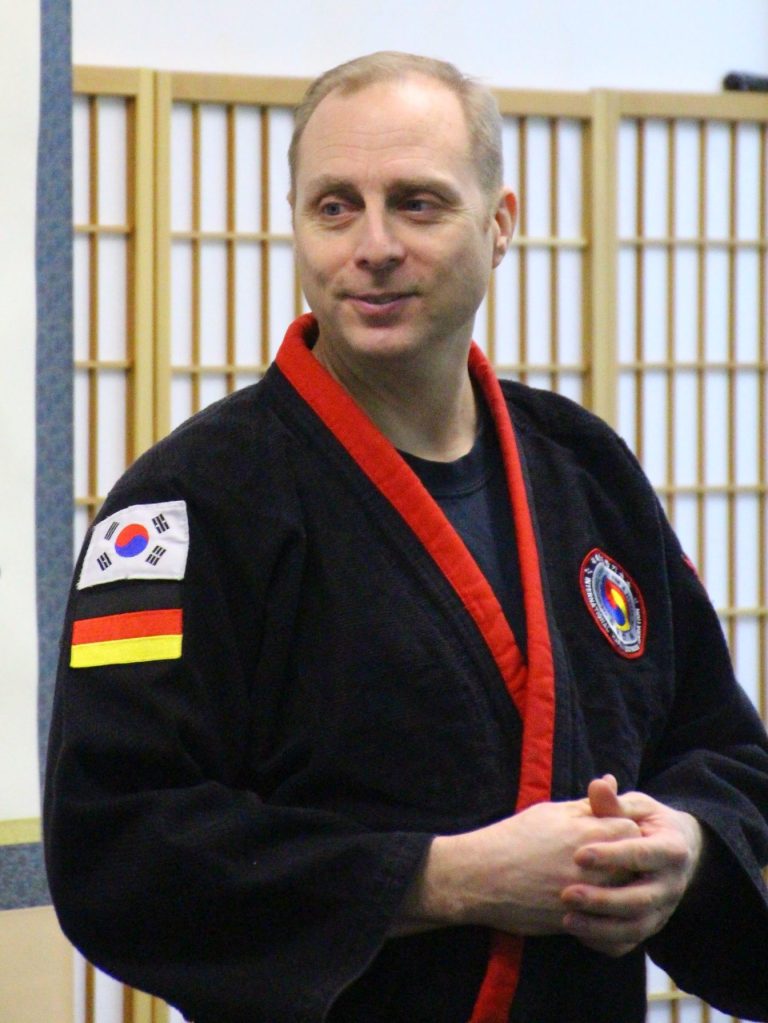
Grandmaster Jeff Allen
International Hapkiyoosool Federation, President
Over 47 years, Grandmaster Allen maintained an unwavering commitment, rigorously pursuing excellence and achieving high dan ranks in traditional Korean and Japanese arts, primarily focused on Hapkiyoosool, ultimately earning the esteemed title of Grandmaster (Shihan).
Recognized as one of the top 1% of martial artists globally, people celebrate him for his exceptional talent and extensive education. Living Legend Bob Wall labeled Grandmaster Allen a “Real Deal” of Martial Arts.
His extensive background isn't limited to a single mindset; he possesses a profound understanding of various combative principles, integrating knowledge from different teachers in Asia to forge a comprehensive and adaptable approach to self-defense and personal development.
Throughout his distinguished career, Master Allen has dedicated himself not only to his continuous growth but also to guiding countless students, embodying the true spirit of martial arts through discipline, respect, and profound practical knowledge.
Grandmaster Jeff Allen
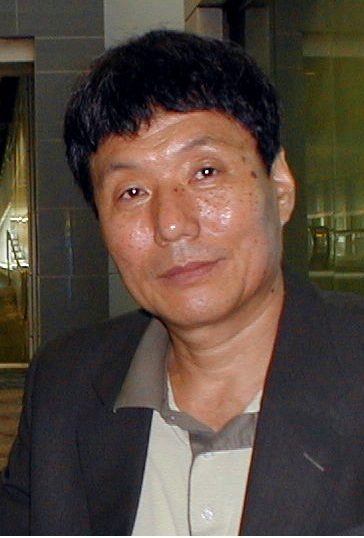
Grandmaster Yong-Sil Jang
A Legacy of Hapkiyoosool
Grandmaster Jang Yong-Sil, born May 5, 1940, and passing away July 15, 2022, trained as Grandmaster Han Bong-Soo's understudy in the same dojang. Master Jang and Master Han then opened a school together on Osan Air Base in South Korea in 1960.
Grandmaster Jang quickly secured a teaching contract with the military, preparing troops for the escalating war in Vietnam. Grandmaster Han moved to the United States in 1967. Grandmaster Jang stayed in Korea and continued teaching the military. His Korean students desired an off-base school, so they pooled their skills and resources to build him a school near the Song-Tan train station. A representative of Daito-Ryu Aiki-Jujutsu, Master Masuda of Aikikai, and several Japanese and Korean government officials attended the grand opening of that school, blessing his dojang in 1970.
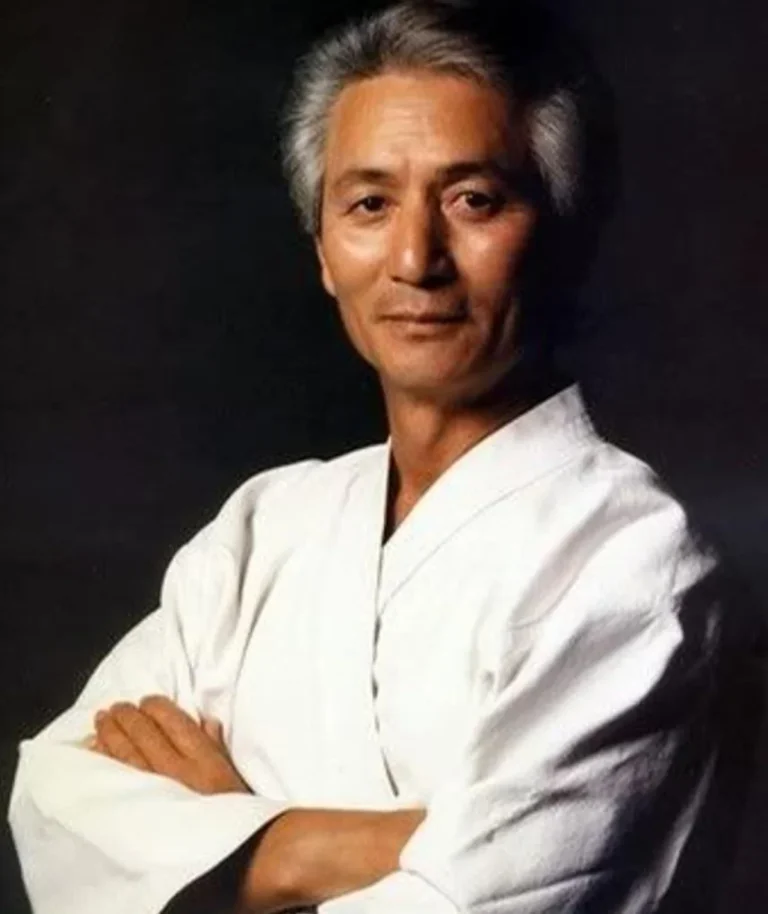
Grandmaster Bong-soo Han
A Pioneer of Hapkido in the West
Grandmaster Bong-soo Han, born August 25, 1933, and passing away January 8, 2007, learned his Hapkido directly from Choi Yong-sul. He was one of Choi Yong-sul's original senior students. His training history also includes earlier studies in Japanese martial arts like Kendo and Judo, which he pursued during Japan's occupation of Korea, ending September 9, 1945.
Moving to the United States in 1967, Han opened a school in Santa Monica, California. There, he began a career in stunt choreography and even acted in a few movies. Billy Jack stands as his most famous film, while Kentucky Fried Movie features his funniest moments. His lineage consistently traces back to Choi Yong-Sul. In the late 1950s, he and his understudy, Grandmaster Jang Young-Sil, met with other instructors to exchange ideas, aiming to improve the art and build a strong community.
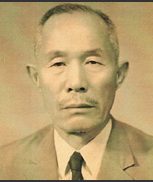
Doju Yong-Sul Choi
Founder of Hapkiyookwonsool
Yong-Sul Choi, born November 9, 1904, and passing away June 15, 1986, founded the Korean martial art Hapkiyookwonsool. Born in what is now North Chungcheong Province, South Korea, he went to Japan as a child, reportedly around eight years old, during Japan's occupation of Korea.
While in Japan, Choi became a student of Sokaku Takeda, the renowned founder of Daito-Ryu Aiki-Jujutsu. He claimed to have studied Daito-Ryu Aiki-Jujutsu extensively under Takeda.
After World War II, Choi Yong-Sul returned to Korea in 1945 and settled in Daegu. In 1948, after an altercation where his self-defense skills impressed Seo Bok-seob, the son of a brewery chairman, Choi received an invitation to teach at the brewery.
People recognize Choi Yong-Sul as a pivotal figure in Korean martial arts. He developed a comprehensive system combining joint locks, throws, and grappling techniques, influenced by Daitō-ryū, with various striking and kicking methods. He passed away in 1986, leaving behind a significant legacy that has influenced countless practitioners and martial arts styles worldwide.
Hanshi Sokaku Takeda
"The Little Demon of Aizu"
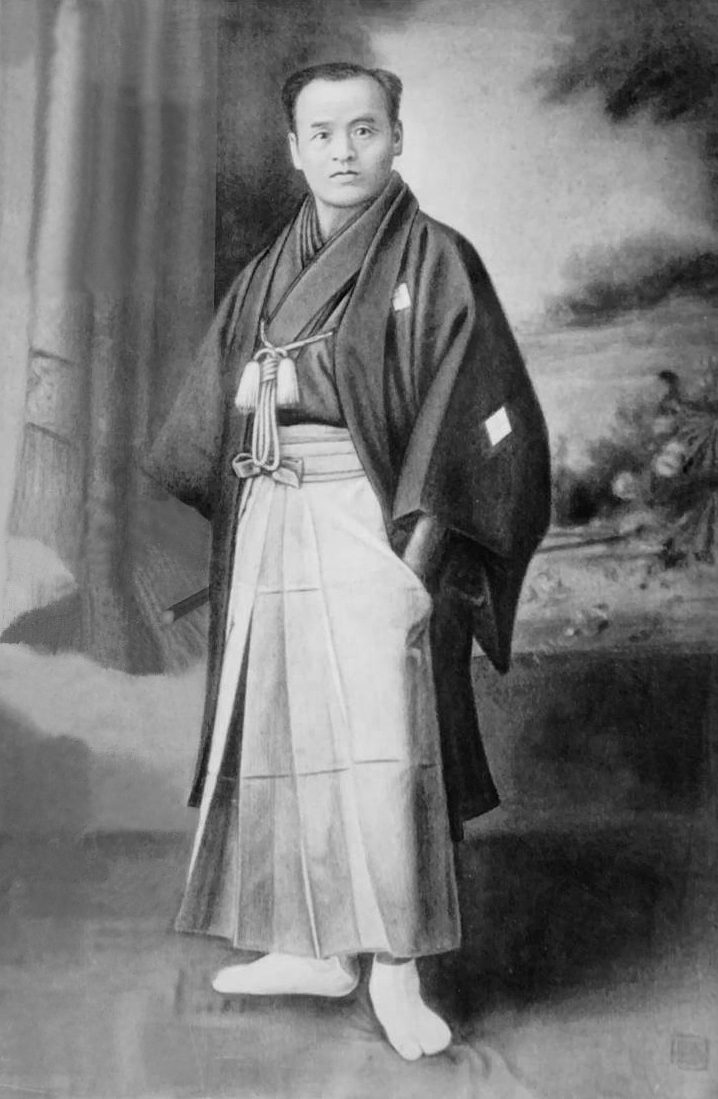
Sokaku Takeda, born October 10, 1859, and passing on April 25, 1943, was a profoundly influential Japanese martial artist. People knew him best as "The Little Demon of Aizu," a nickname reflecting his legendary skill.
Takeda came from a samurai family in the Aizu domain during the turbulent Boshin War. His father, skilled in sword and spear, gave him his early martial arts training. He also reportedly lived and studied with Kenkichi Sakakibara, a renowned swordsman of the Jikishinkage-ryū.
With the Meiji era's outlawing of the samurai class and prohibition against carrying swords, Sokaku shifted his focus. He concentrated on the empty-handed, jūjutsu-oriented techniques of his family's ancestral art, known as "oshiki-uchi" (secret teachings of the Aizu clan). He combined these techniques with other skills he had acquired, creating the art he initially named "Daito-Ryu-Jujutsu." Later, he renamed it "Daito-Ryu Aiki-Jujutsu."
Takeda's legacy is immense. Many consider Daito-Ryu Aiki-Jujutsu the "father" of numerous modern Japanese martial arts. These include Aikido, Hakko-ryu Jujutsu, Shorinji Kempo, and Hapki-yoosool (through Choi Yong-Sul, who studied Daito-Ryu under Takeda Sokaku).
Hapkiyoosool Documentary
See History In Action
Hapkiyoosool, a Korean martial art, traces its origins to Choi Yong-Sool (1904-1986). After spending a significant period in Japan, where he studied Daito-ryu Aiki-jujutsu under Sokaku Takeda, Choi returned to Korea after World War II. He began teaching a system he initially called Yu Sool (Korean for Jujutsu) or Dae Dong Ryu Yu Sool, which emphasized joint locks, throws, and grappling techniques.
As Choi expanded on his teachings, incorporating strikes, kicks, and traditional Korean martial arts elements, the art evolved. Eventually, the term "Hapkido," meaning "the way of coordinated power," became the widely accepted name, which made it easier for Westerners to pronounce. Hapkiyoosool specifically refers to the techniques and teachings of Choi Yong-Sool.